GENERAL DESCRIPTION
The Yup'ik Eskimo of western Alaska, believe that everything has a spirit (or soul)—people, animals, and things—and all participate in an endless cycle of birth, death, and rebirth. The boundaries between the spirit world and the real world, and between the human world and the world of animals, are not always clear. This mask alludes to those boundaries and to the relationship between human beings and animals, who live together in reciprocity.
The Yup’ik have seasonal festivals that honor the spirits of animals hunted during the previous year. Held in the men’s house, the social and ceremonial center of the village, these events often included masked dances. Masks with encircling hoops manifest shamanic visions of the spirit world, with the ringed center connoting movement between the human and supernatural worlds. The encircling hoops are called ellanguat, which means pretend cosmos or universe, while the feathers represent stars or snowflakes. At the center of the mask is a beaver with a fish in its mouth. The inua, or spirit of the sea otter, appears as a smiling face on the animal's back. The circular holes in the two white hands signify a passageway between worlds, the opening in the Sky World through which Tunghak, Keeper of the Game, allows animals to pass from the spirit world to the world of humans, to replenish the supply of game. This may be a reminder that animals give themselves to human beings, who must in turn respect animals.
Adapted from
- Bonnie Pitman, ed., "Mask with seal or sea otter spirit (1976.50)," in Dallas Museum of Art: A Guide to the Collection (New Haven, CT: Yale University Press, 2012), 59.
- DMA Label Copy (1976.50), n.d.
NOTES
Yup'ik, late 19th century (noted on TMS), updated by KJones on 10/15/13.
Catalogue essays
Artist/designers
Cultures
Yup'ik: AAT: 300102489
Alaskan Native styles: AAT: 300102451
Arctic Native American styles: AAT: 300017444
Eskimo (culture or style): AAT: 300017447
Inuit (Canadian Arctic Native style): AAT: 300017455
Geography
Arctic (general region): TGN: 7593183
Alaska (state): TGN: 7006450
Yukon River (river): TGN: 7030951
Process/materials
wood: AAT: 300011914
paint (coating): AAT: 300015029
feather (material): AAT: 300011809
gut (animal material): AAT: 300193289
intestines (animal components): AAT: 300191797
cord (fiber product): AAT: 300014247
carving (processes): AAT: 300053149
Historical periods
Individuals
Subject terms
masks (costume): AAT: 300138758
ritual objects: AAT: 300312158
ceremonial objects: AAT: 300234117
faces (animal or human components): AAT: 300251798
supernatural (concepts): AAT: 300055947
animals: DMA
festivals: AAT: 300073472
ceremonies: AAT: 300054754
hunting: AAT: 300239666
dance: AAT: 300054144
dancing: AAT: 300389779
spirits: AAT: 300379007
shaman: AAT: 300218522
visions (life events): AAT: 300251603
geometric shape: AAT: 300263819
geometric motifs: AAT: 300009764
circles (plane figures): AAT: 300055627
circular (shape): AAT: 300263827
cosmology (cosmological / disciplines): AAT: 300054294
hands (animal or human components): AAT: 300310193
fish (animals): AAT: 300266085
beaver (castor genus): AAT: 300250578
otters (sea otters / mustelidae family): 300250163
seals (animals): AAT: 300250867
souls (spirits / beings): AAT: 300379821
suns (stars): AAT: 300379806
stars (extraterrestrial bodies): AAT: 300387654
snowflakes (motifs): AAT: 300009934
snow (precipitation): AAT: 300055381
births (events): AAT: 300069672
deaths: AAT: 300151836
reincarnation: AAT: 300073437
RELATED OBJECTS
PROVENANCE
Until 1976: Jonathan Holstein, New York [1]
From 1976: Dallas Museum of Fine Arts, gift of Elizabeth H. Penn, purchased from the above [1], [2]
[1] The main source for this provenance is Acquisition Record (dated December 08, 1976, copy in Dallas Museum of Art Collections Records Object File, Confidential). Exceptions and other supporting documents are noted.
[2] The name of the Dallas Museum of Fine Arts, founded in 1933, was changed to the Dallas Museum of Art in 1983.
AUDIO ASSETS
VIDEO ASSETS
IMAGE ASSETS
- 253363128: UMO. [Caption] Beaver. Source: Makedocreative (own work), Wikimedia Commons, accessed: April 27, 2015, http://commons.wikimedia.org/wiki/Castor#/media/File:Beaver_lake.JPG.

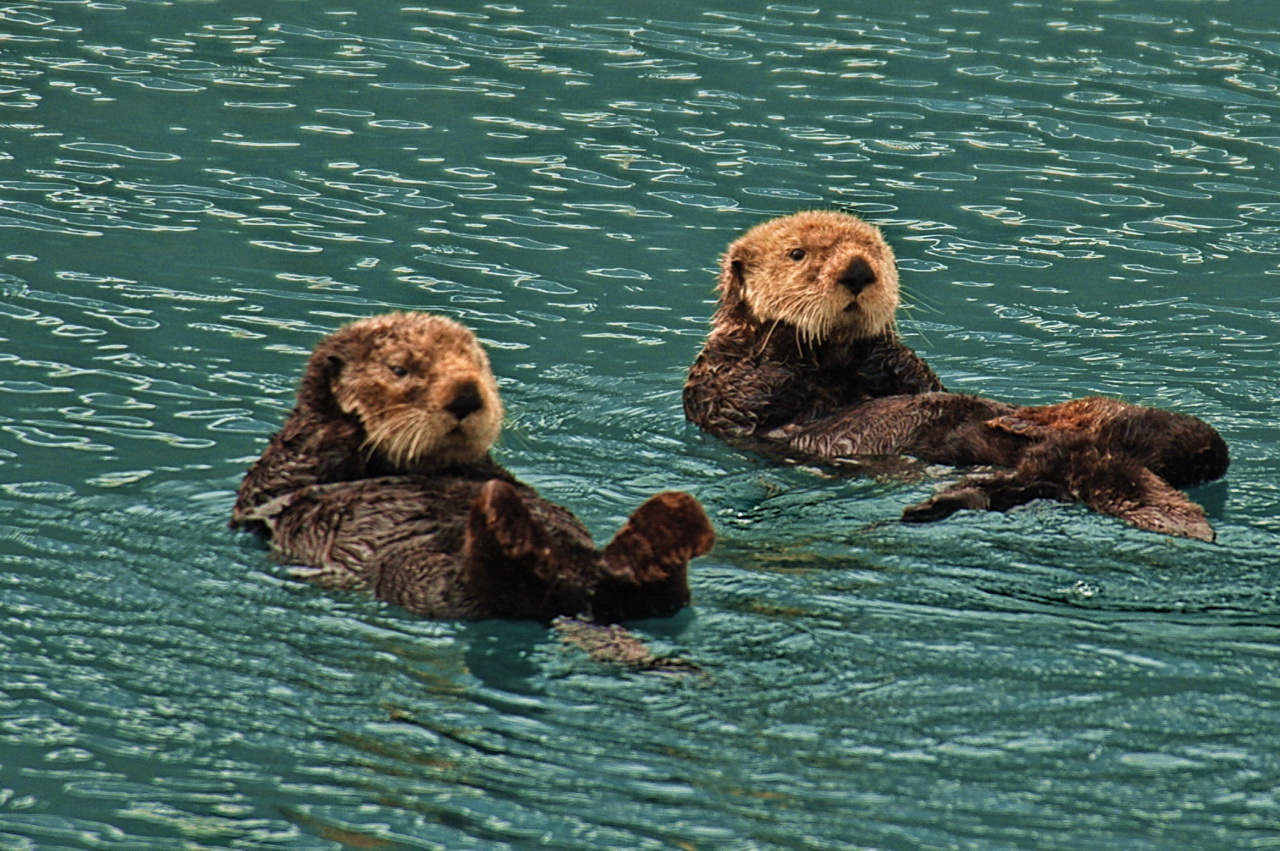
- 253365499: UMO. [Caption] Sea Otters. Source: Dave Bezaire and Susi Havens-Bezaire, Wikimedia Commons, accessed: April 27, 2015, http://upload.wikimedia.org/wikipedia/commons/7/77/Sea_Otters.jpg.
WEB RESOURCES
ARCHIVAL RESOURCES
FUN FACTS
TEACHING IDEAS
Because they must hunt for food in the arctic world, the Eskimos have
developed a thorough knowledge of animals such as the sea otter, the seal,
and the bear. Since both humans and animals are a part of nature, the
relationship between man and animal is very close. Masks such as this
one show this closeness.
1. How many faces can you find? Do these faces connect to hands or feet? (You can see a fish face, a
seal/sea otter face, and a smiling face in the center of the mask. The brown, flipper-feet match the otter's
brown head and point in four directions. Two white hands with holes in them reach opposite ways.)
2. From looking at the slide, can you tell what materials were used to make the seal or sea otter mask?
(The materials include wood, paint, and feathers.) The feathers represent stars or snowflakes. Do you
think feathers make a good symbol for stars or snowflakes? Explain your answer.
3. The Eskimos depend upon animals like the sea otter and seal for food and clothing. How does the
Eskimos' relationship with animals compare to our relationship with animals in Dallas, Texas? (We only
have animals as pets. We do use animals like cattle for food, but we don't hunt them. We use other
materials besides leather for our clothes.) Although we don't usually think of animals as having souls, for
the Eskimos, everything in this world has a soul or spirit called an inua. For them, humans and animals
have souls; storms and mountains have souls as well. The smiling face in the center of the mask probably
represents the spirit of the sea otter. Why would an Eskimo work so hard to make a mask about an
animal? (He might want to show how important the animal is. He might want to make an object that
shows his beliefs about animal spirits.)
4. The Eskimo also believe that certain members of their people can communicate with the spirit world.
These persons are called "shamans," and they can pass between this material world into another one
where spirits reside. The holes in the white hands represent the doorways to this other world. Sometimes
hunting is poor, and the animals are scarce. A shaman may be called upon to go to the spirit world and
ask Tunghak, the Keeper of the Game, to allow more animals to pass through from the spirit world. This
mask may be a way of showing the harmony that can exist between man and animal.
Excerpt From
Ken Kelsey, Gail Davitt, Mary Ann Allday, Troy Smythe, and Barbara Barrett, "Mask with seal or sea otter spirit (1976.50)," in Art of the Americas at the Dallas Museum of Art, DMA Teaching Packet (Dallas: Dallas Museum of Art, 1995), 16.
RULES
Apply to objects where number equals 1976.50
Category
rules_operator
AND
General Description
The Yup'ik Eskimo of western Alaska, believe that everything has a spirit (or soul)—people, animals, and things—and all participate in an endless cycle of birth, death, and rebirth. The boundaries between the spirit world and the real world, and between the human world and the world of animals, are not always clear. This mask alludes to those boundaries and to the relationship between human beings and animals, who live together in reciprocity.
The Yup’ik have seasonal festivals that honor the spirits of animals hunted during the previous year. Held in the men’s house, the social and ceremonial center of the village, these events often included masked dances. Masks with encircling hoops manifest shamanic visions of the spirit world, with the ringed center connoting movement between the human and supernatural worlds. The encircling hoops are called ellanguat, which means pretend cosmos or universe, while the feathers represent stars or snowflakes. At the center of the mask is a beaver with a fish in its mouth. The inua, or spirit of the sea otter, appears as a smiling face on the animal's back. The circular holes in the two white hands signify a passageway between worlds, the opening in the Sky World through which Tunghak, Keeper of the Game, allows animals to pass from the spirit world to the world of humans, to replenish the supply of game. This may be a reminder that animals give themselves to human beings, who must in turn respect animals.
Adapted from
- Bonnie Pitman, ed., "Mask with seal or sea otter spirit (1976.50)," in Dallas Museum of Art: A Guide to the Collection (New Haven, CT: Yale University Press, 2012), 59.
- DMA Label Copy (1976.50), n.d.
Fun Facts
Archival Resources
Web Resources
Notes
Yup'ik, late 19th century (noted on TMS), updated by KJones on 10/15/13.
Catalogue essays
Artist/designers
Cultures
Yup'ik: AAT: 300102489
Alaskan Native styles: AAT: 300102451
Arctic Native American styles: AAT: 300017444
Eskimo (culture or style): AAT: 300017447
Inuit (Canadian Arctic Native style): AAT: 300017455
Geography
Arctic (general region): TGN: 7593183
Alaska (state): TGN: 7006450
Yukon River (river): TGN: 7030951
Process/materials
wood: AAT: 300011914
paint (coating): AAT: 300015029
feather (material): AAT: 300011809
gut (animal material): AAT: 300193289
intestines (animal components): AAT: 300191797
cord (fiber product): AAT: 300014247
carving (processes): AAT: 300053149
Historical periods
Individuals
Subject terms
masks (costume): AAT: 300138758
ritual objects: AAT: 300312158
ceremonial objects: AAT: 300234117
faces (animal or human components): AAT: 300251798
supernatural (concepts): AAT: 300055947
animals: DMA
festivals: AAT: 300073472
ceremonies: AAT: 300054754
hunting: AAT: 300239666
dance: AAT: 300054144
dancing: AAT: 300389779
spirits: AAT: 300379007
shaman: AAT: 300218522
visions (life events): AAT: 300251603
geometric shape: AAT: 300263819
geometric motifs: AAT: 300009764
circles (plane figures): AAT: 300055627
circular (shape): AAT: 300263827
cosmology (cosmological / disciplines): AAT: 300054294
hands (animal or human components): AAT: 300310193
fish (animals): AAT: 300266085
beaver (castor genus): AAT: 300250578
otters (sea otters / mustelidae family): 300250163
seals (animals): AAT: 300250867
souls (spirits / beings): AAT: 300379821
suns (stars): AAT: 300379806
stars (extraterrestrial bodies): AAT: 300387654
snowflakes (motifs): AAT: 300009934
snow (precipitation): AAT: 300055381
births (events): AAT: 300069672
deaths: AAT: 300151836
reincarnation: AAT: 300073437
RELATED OBJECTS
PROVENANCE
Until 1976: Jonathan Holstein, New York [1]
From 1976: Dallas Museum of Fine Arts, gift of Elizabeth H. Penn, purchased from the above [1], [2]
[1] The main source for this provenance is Acquisition Record (dated December 08, 1976, copy in Dallas Museum of Art Collections Records Object File, Confidential). Exceptions and other supporting documents are noted.
[2] The name of the Dallas Museum of Fine Arts, founded in 1933, was changed to the Dallas Museum of Art in 1983.
AUDIO ASSETS
VIDEO ASSETS
rules
Apply To
Objects
number
Equals
1976.50
source file
object_notes_3_a-0771.xml.nores